


 Facebook
 Twitter


Description
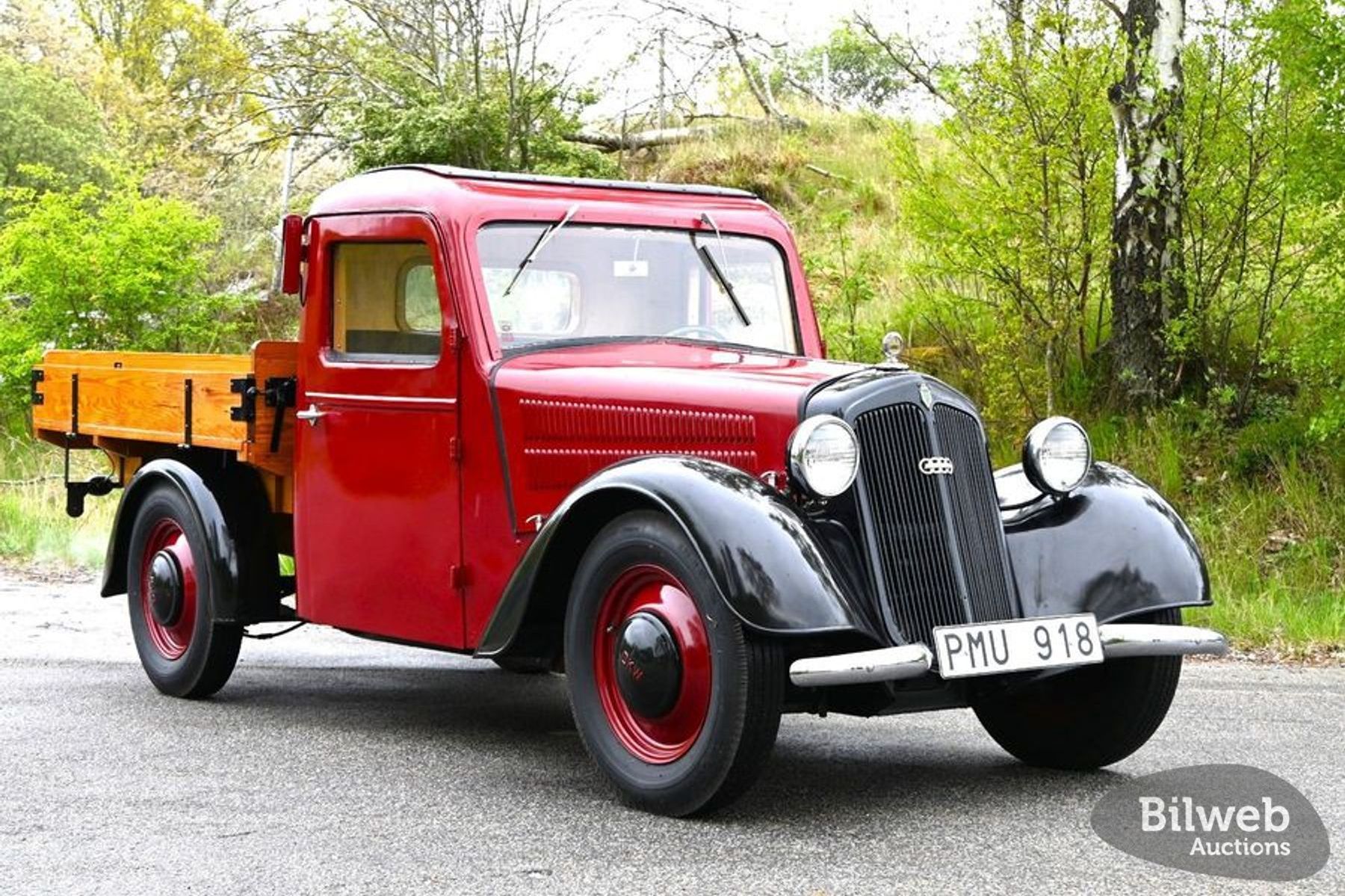
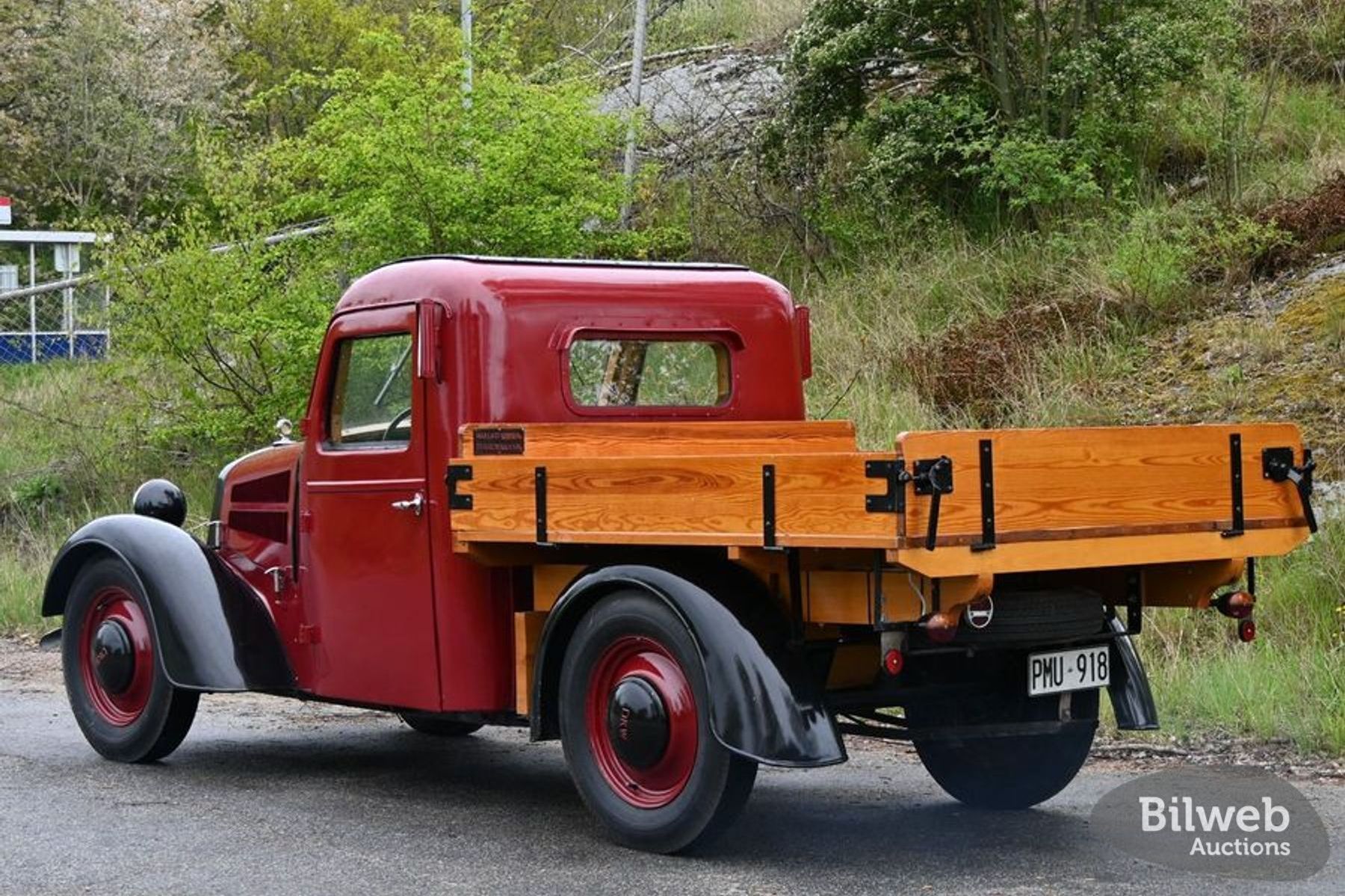
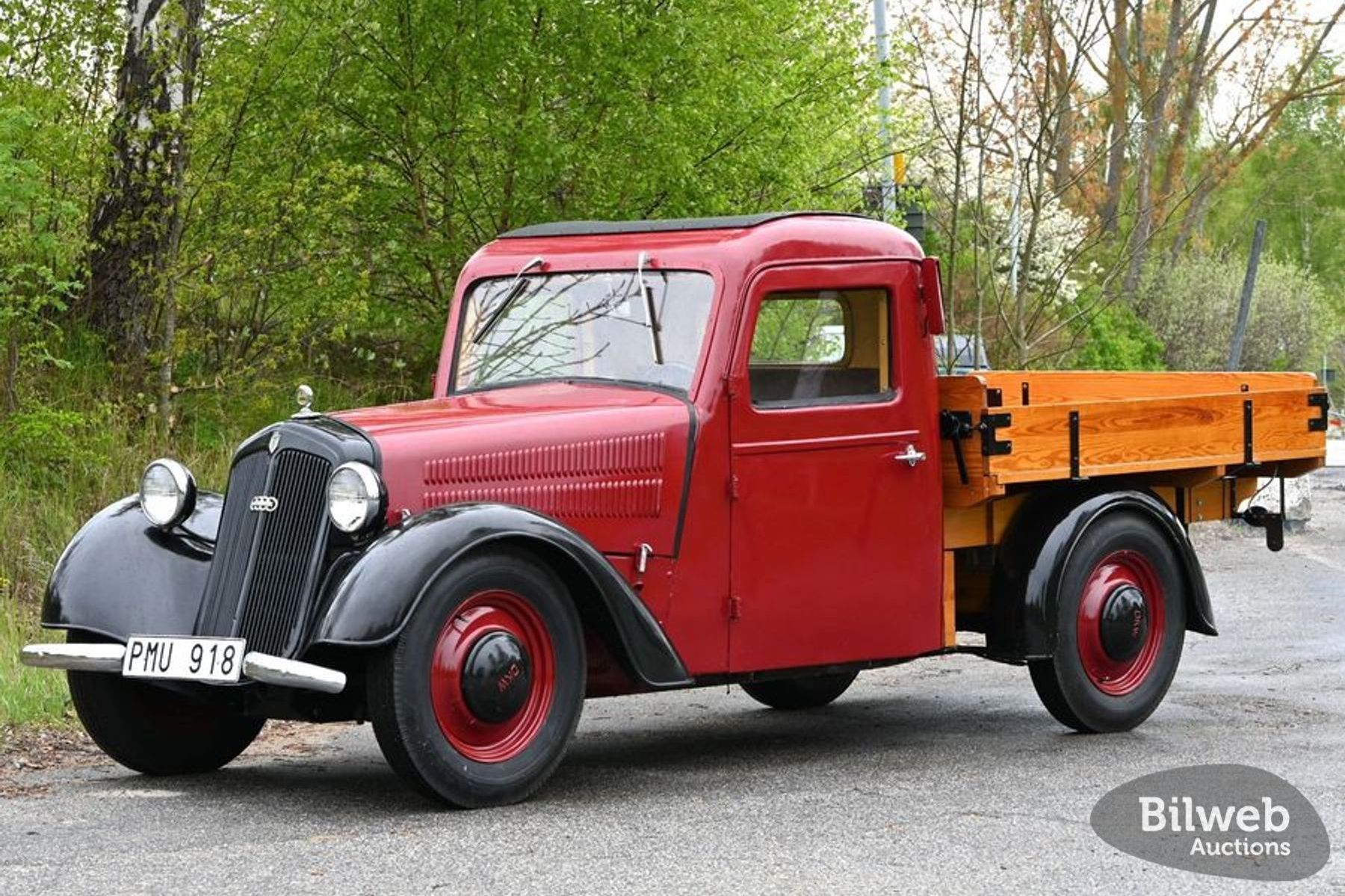
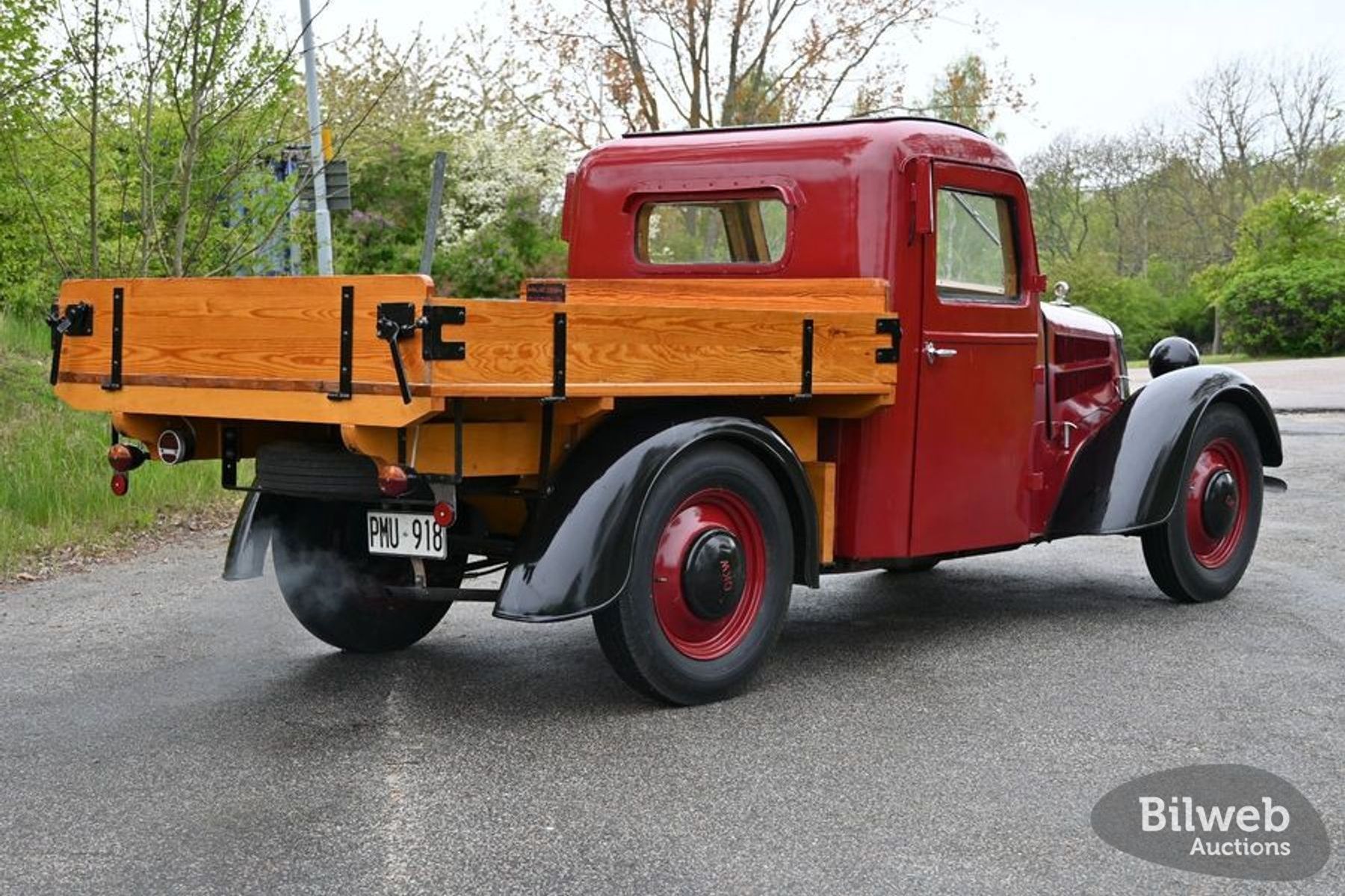
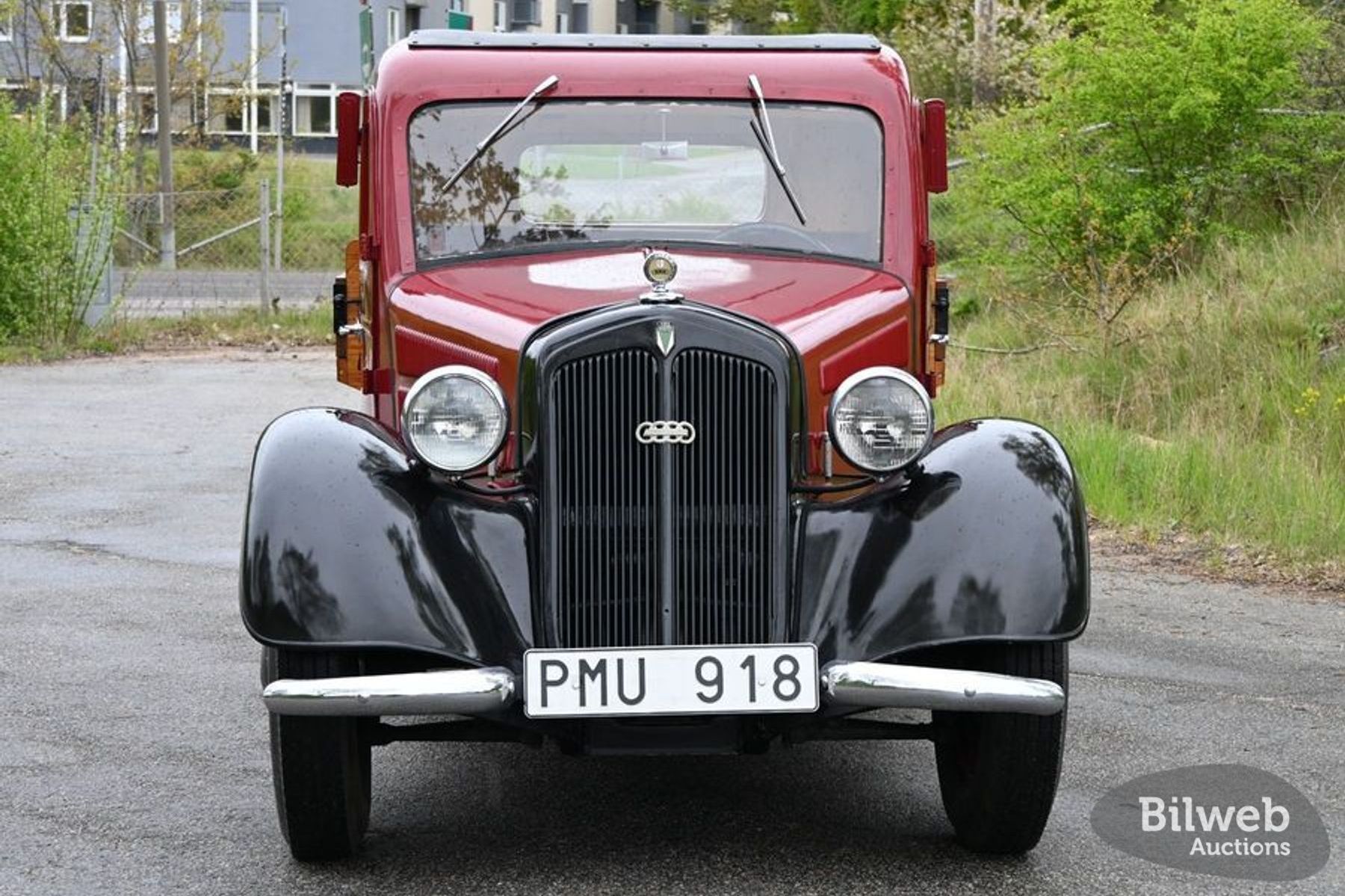
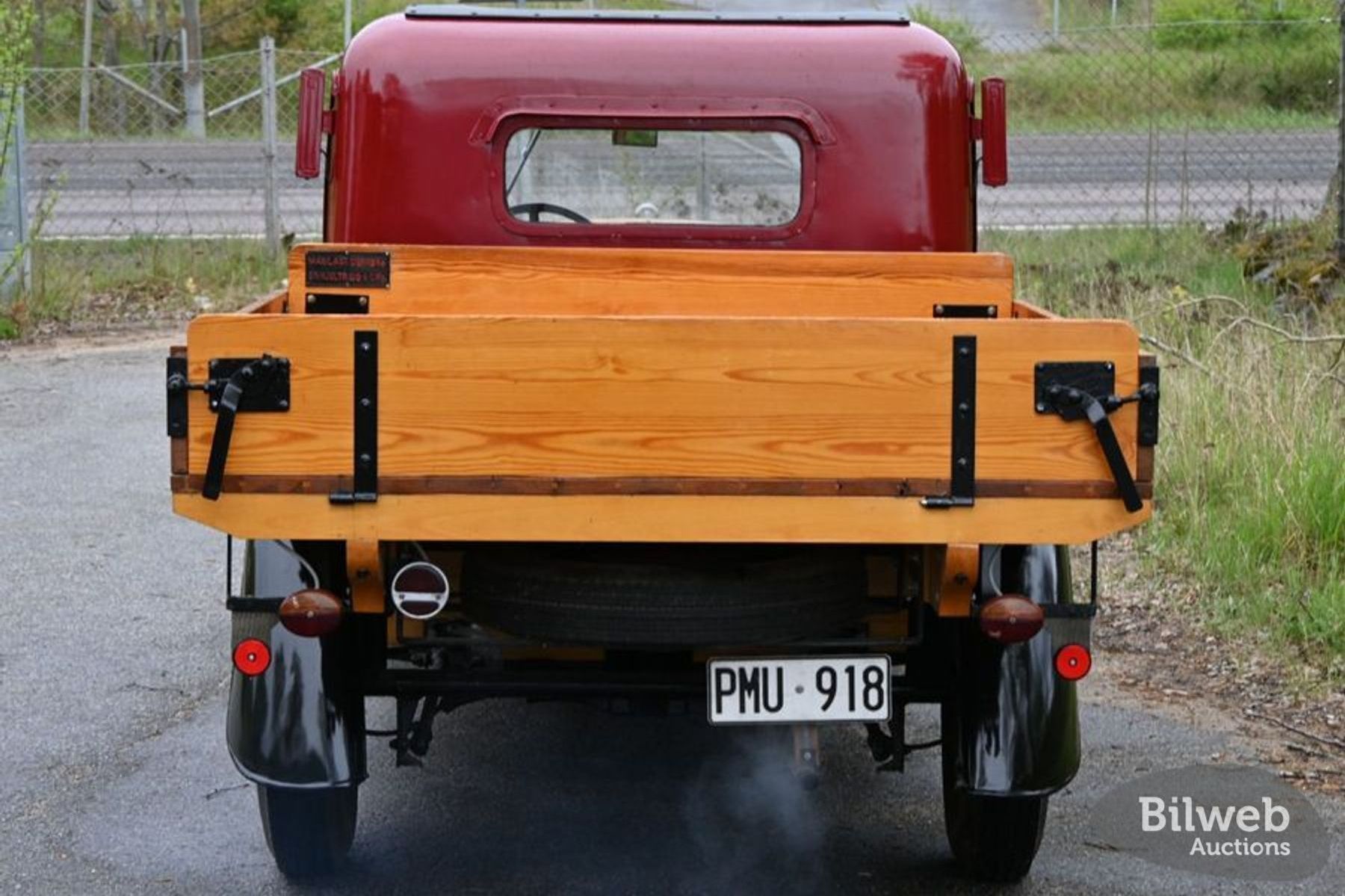
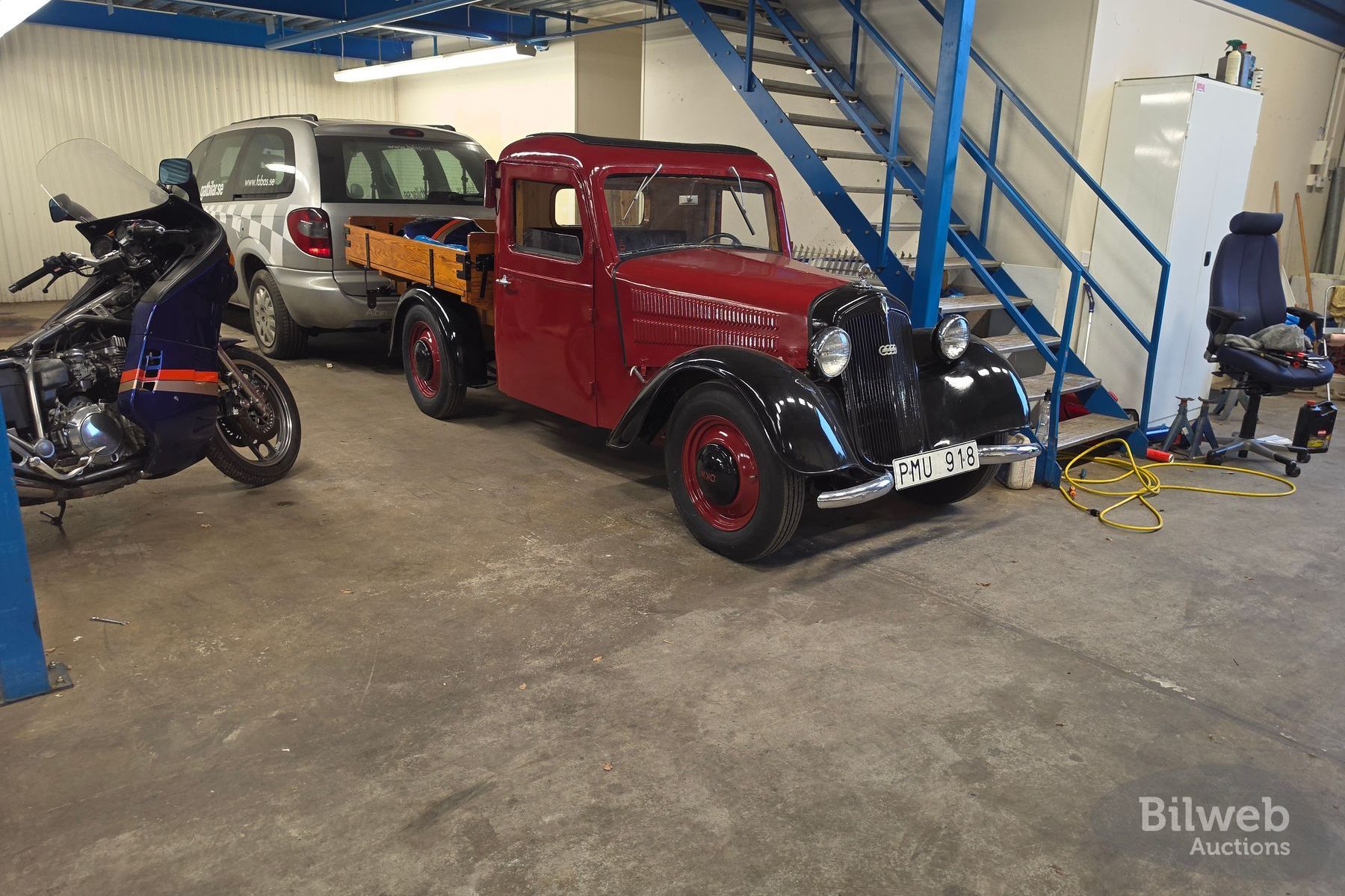
The DKW is historically interesting and has complete documented Swedish history from its first owner in 1939 until today. It stood off the road for many years, was restored twenty years ago, and was re-registered in 2013. The car has been professionally restored and remains just as fine today. Förlags AB Albinsson & Sjöberg purchased this car in 2017 to display at their museum in Karlskrona.
 Free history (10)
Technical data
Year
1939/1939
Registration date
2013-08-20
Mileage
1985
Registration Number
PMU918
Chassis Number
5132158
Kw / hp
15 / 20
Fuel Type
Gasoline
Transmission
Manual
Interior finish
Konst läder
Colour
Multicolored
Condition
-
Mechanical condition
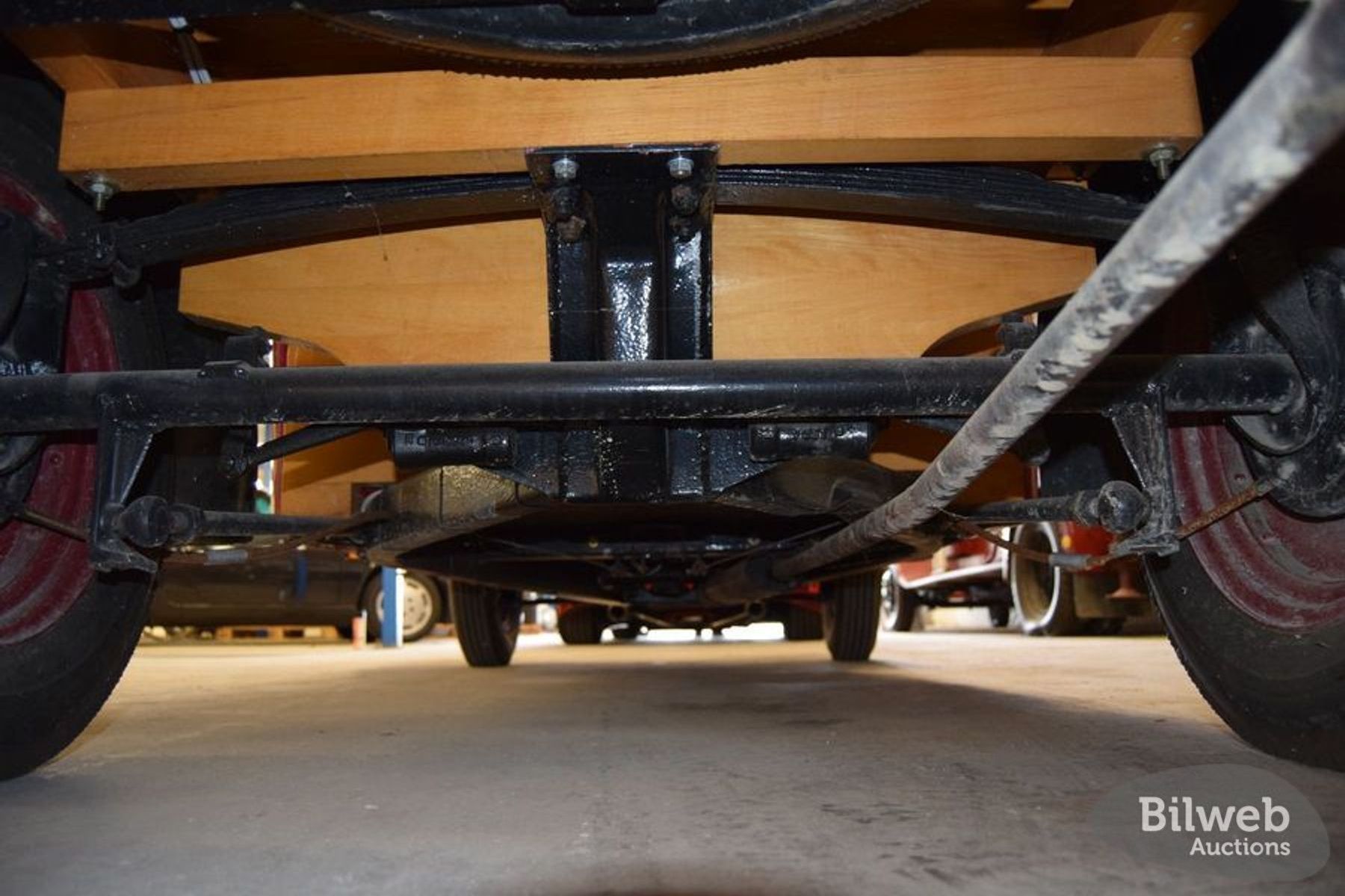
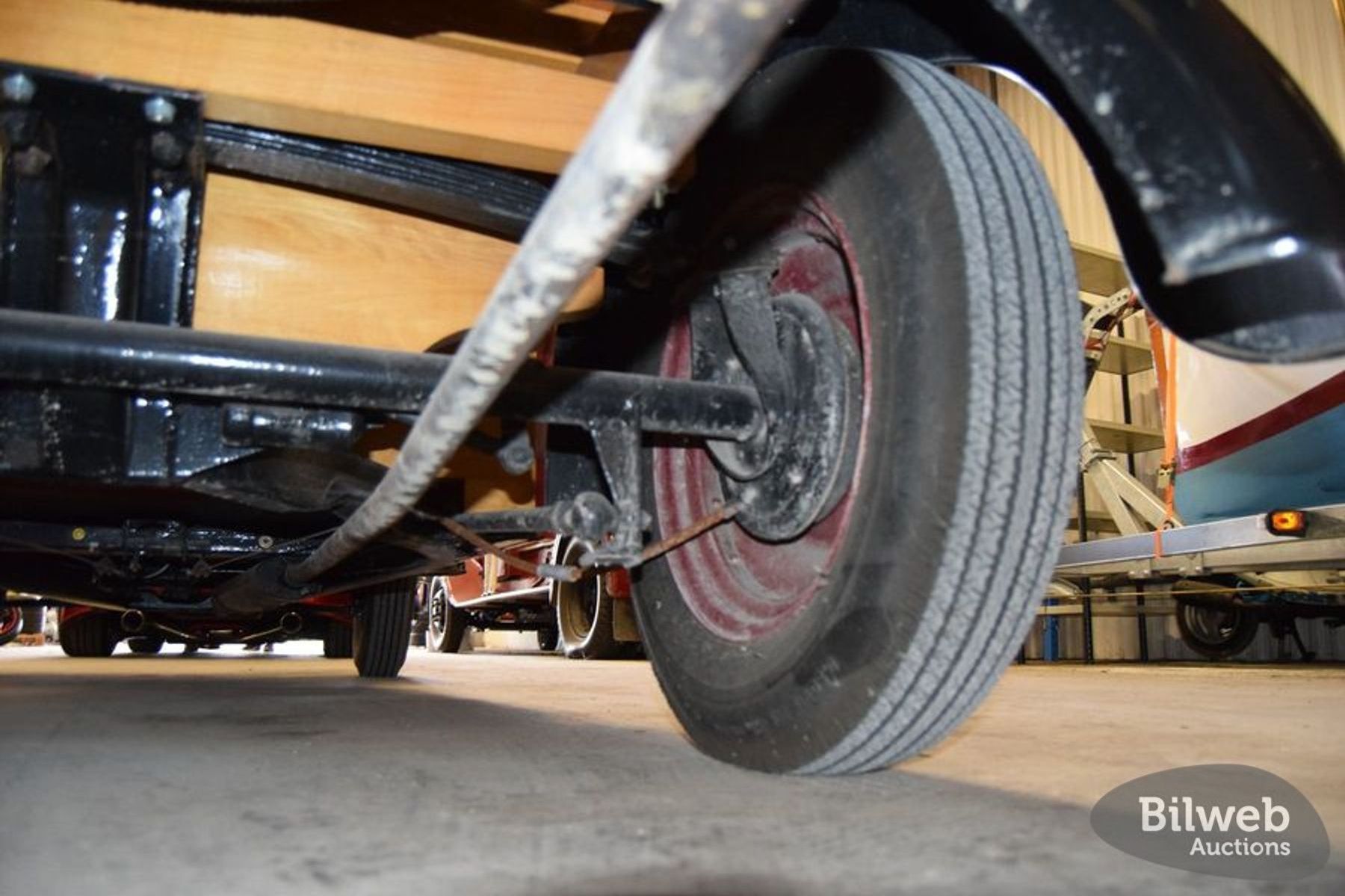
The car has been meticulously restored and runs well. Since the restoration, it has mostly been on display. It starts easily and performs nicely in terms of engine, brakes, and gearbox.
-
Interior condition
Fully restored interior in faux leather and wood, in top condition.
-
Exterior condition
A fine professional paint job in an attractive and period-correct combination of red and black. The chrome is in fine condition, as is all the wood. Painted original wheels with good tires.
-
General condition
A delightful little pickup for both work and pleasure. Easy to drive. In this configuration, it could be well suited as a company mascot, serving as an eye-catching advertisement for a business.
MOT (tech. insp.)
Fordonsstatus: I trafik sedan 2025-04-11
Ursprungsbesiktning: 2013-08-20 (regbes)
Datum i trafik första gången: 2013-08-23 (391025)
Senast godkända besiktning: 2013-08-20
Besiktningsbefriad: Ja
Skattebefriad: Ja
Körförbud: Nej
Antal ägare: 2
Ursprungsbesiktning: 2013-08-20 (regbes)
Datum i trafik första gången: 2013-08-23 (391025)
Senast godkända besiktning: 2013-08-20
Besiktningsbefriad: Ja
Skattebefriad: Ja
Körförbud: Nej
Antal ägare: 2
Facts about the model
The DKW marque was founded and owned for many years by a Dane, Jörgen Skafte Rasmussen, who had trained in Germany and subsequently started various businesses there. What DKW stands for is a matter of dispute – Deutsche Kraft Wagen, Damph Kraft Wagen, or Der Kleine Wunder, referring to the motorcycle production. We can leave that question aside and note that:
In 1922 he began manufacturing motorcycles, and the operation grew to become the largest in the world, a position DKW held all the way up to the Second World War.
At the end of the 1920s he also built electrically powered cabs and delivery vehicles, which gradually brought the business ever closer to regular automobile production.
This began in 1928 with the so-called Typ P, which had a 15-horsepower two-stroke engine of 584 cc and rear-wheel drive. The Typ P was followed by a few more rear-wheel-drive types, but in the fall of 1930 a front-wheel-drive model was designed and given the fitting name Front. It was a small car fitted with the motorcycle division's 500 cc engine, which however was water-cooled in the car. Production of the Front began in 1931 and was followed the next year by the first Meisterklasse.
The DKW cars eventually became a commercial success, but since the world economy in general, and the German economy in particular, was faltering in the early 1930s, Rasmussen wrestled with considerable problems. The solution came in 1932 with the formation of the conglomerate Auto Union AG. It comprised DKW, the Audi factory (which was owned by Rasmussen), the luxury car maker Horch, which was in great financial difficulty, and the cars from Wanderer-Werke. Hence the four rings in the emblems of the AU cars. In total, approximately 215,000 front-wheel-drive DKW cars were built up until 1940. Of these, a relatively large number were convertibles or had so-called cabrio-coach bodies. DKW cars were exported to numerous countries, and in Sweden they were very popular, quickly landing on the Top Ten list of best-selling car makes among mostly American brands; in 1939 DKW ranked third in Sweden after Opel and Chevrolet. Then came World War II. After a decent recovery in the 1950s, the two-stroke engine quickly became outdated. After various turns of events in which AU was bought by Daimler-Benz and subsequently sold on to Volkswagen, only DKW remained. In 1966 the brand was discontinued and Audi took over the fallen mantle – and the rest is an entirely different story.
Location and viewing Information
Location:
For viewing the vehicle, contact the inspector/case manager:
Ted Gryth
+46 705-65 67 27
ted@bilwebauctions.se
For viewing the vehicle, contact the inspector/case manager:
Ted Gryth
+46 705-65 67 27
ted@bilwebauctions.se
Pick up
Collection must take place before: 2026-12-09.
NOTE! Payment (deposit to our account) must be made within 5 days and before collection.
NOTE! Payment (deposit to our account) must be made within 5 days and before collection.
Auction information
General information about the condition of the vehicles .
- At this auction, many vehicles have been included in car collections and have been stored (mothballed) for a long time. For this reason, they are described from a collector's perspective and may need technical reviews and maintenance service - oil, battery replacement, new tires, brake review, etc. - before they can be used. .
- During the auction days information about a vehicle may be updated up to the day before the auction ends. When you bid at the end of the auction period - and also if you have made an earlier bid - we therefore ask you to read the descriptions carefully, in case something has been changed due to new information.
Important to know before placing your bids!
- Once you have called in an item and the reservation price is reached we want you to deposit the entire purchase amount into our client funds account before retrieval can take place.
- When you need to retrieve a called in object we want you to examine it carefully. If you consider that the item does not match our description you do not need to complete the purchase. In this case the deposited purchase sum and the entry fee are refunded.
- If you do not examine the item on the spot the call charge will be debited, but you do not have to complete the deal.
- If you make the entire purchase exclusively at a distance you have 14 days to cancel, but must return the item at your own expense.
- Your shipping costs and other costs are not reimbursed when the right of withdrawal is exercised. Swedish court applies.
- For items that have not been collected within 14 days storage costs may be charged.